 Skip to content
When a light bulb burns out, it’s easy to assume it belongs in the trash. But did you know that tossing it out carelessly could be harming the environment, and even your health? Many types of bulbs contain materials that require special handling, and understanding how to dispose of them properly can make a big difference.
Learning the right way of disposing of light bulbs isn’t complicated, it’s just about knowing which ones are safe for the trash and which need recycling. Let’s go over what to do, what to avoid, and how to keep your home and community safe.
Why Proper Light Bulb Disposal Matters More Than You Think
Throwing away bulbs improperly might seem harmless, but it’s a bigger issue than most realize. Many bulbs contain materials like mercury, which can leak into the soil or water when left in landfills. Over time, this contamination harms wildlife and disrupts ecosystems. Proper junk disposal service helps reduce this risk and keeps our environment cleaner.

What Happens If You Throw Away Light Bulbs the Wrong Way
When you’re disposing of light bulbs incorrectly, you risk releasing toxic substances into the environment. Mercury from fluorescent bulbs, for instance, can spread through the air or seep into groundwater. Even small amounts add up over time. Safe disposal ensures those materials are handled in facilities designed to contain them.
How Improper Disposal Affects Recycling and Landfill Systems
Light bulbs tossed into regular trash cans also interfere with recycling and landfill operations. Broken bulbs make sorting more dangerous, and hazardous materials complicate processing. By disposing of bulbs correctly, you’re helping improve recycling efficiency and protecting waste workers as well as the environment.
Can You Throw Away Light Bulbs in the Trash? The Simple Answer
The answer depends on the type of bulb. Some can go in your regular trash, while others must be recycled. Knowing what kind you’re dealing with makes all the difference when deciding where to dispose of light bulbs safely.
Which Bulbs Are Safe for Regular Trash
Incandescent and halogen bulbs are typically safe to dispose of with household waste. Just wrap them in paper or cloth to prevent breakage. Still, check your city’s disposal rules, some areas have specific guidelines about light bulb disposal, especially when it comes to bulk waste or commercial quantities.
Which Bulbs Should Never Go in the Trash
Although many light bulbs can be disposed of in the trash, certain types should never be discarded this way due to their hazardous materials. For instance, fluorescent bulbs and compact fluorescent bulbs contain mercury, making them hazardous to the environment. Can you dispose of light bulbs like these? The answer is no; you must find proper recycling methods to keep your home and environment safe.
How to Identify the Type of Bulb You Have
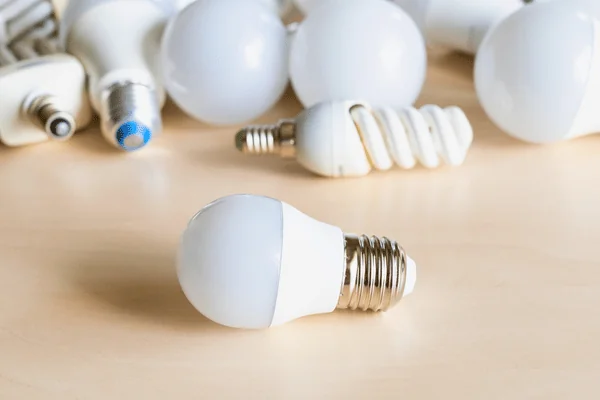
Before disposing of light bulbs, check the packaging or the base for details. Incandescent and LED bulbs are typically safe for disposal, while CFLs, fluorescent tubes, and some halogen bulbs require special handling. If you’re unsure, search online using the bulb’s model or consult local waste management guidelines.
Where to Dispose of Light Bulbs Safely Near You
Fortunately, there are plenty of convenient options for disposal. From local recycling centers to take-back programs, it’s easy to find a method that works for you.
Local Recycling Centers and Drop-Off Points
Your community’s recycling or hazardous waste facilities are the best places to dispose of bulbs safely. These centers are equipped to handle materials like mercury and electronics. Visit your city’s waste management website to find the nearest drop-off point.
Retailer Take-Back Programs and Mail-In Recycling
Many home improvement and electronics stores now offer recycling bins or take-back programs for bulbs. You can also find mail-in programs if you prefer handling disposal from the comfort of your own home. Common options include:
- Home improvement stores with bulb recycling stations.
- Local hardware stores with take-back bins.
- Electronics retailers that accept LEDs and CFLs.
- Mail-in services for larger quantities.
These programs make disposing of light bulbs safer and more convenient for everyone.
The Right Way to Dispose of Different Types of Light Bulbs
Different bulbs require different disposal methods. Here’s a breakdown of how to handle each type correctly.
Incandescent and Halogen Bulbs
These older bulbs can usually go in your household trash, but handle them carefully to avoid injury:
- Let the bulb cool completely.
- Wrap it in a newspaper or bubble wrap.
- Place it in a small box or bag before tossing.
Check if your local recycling facility accepts them, some do, especially for bulk collections.
Compact Fluorescent Lamps (CFLs) and Fluorescent Tubes
CFLs and fluorescent tubes contain small amounts of mercury, so they should always be recycled through a proper facility. Most cities have hazardous waste drop-offs that accept them. Avoid breaking the bulbs, and store them in a sturdy container until you can dispose of them properly.
LED Bulbs
LEDs are long-lasting and energy-efficient, but they contain electronic components that should be recycled, not thrown away. Many retailers and recycling programs accept them. Handle them gently, store them in a box or bin, and take them to an e-waste recycling center when you have collected several.
What to Do If a Light Bulb Breaks: A Quick Safety Guide
Broken bulbs can be messy, and in the case of fluorescent ones, they can be potentially toxic. Knowing how to handle them safely protects you and your home.
How to Clean Up a Broken CFL or Fluorescent Bulb
If a CFL breaks, open a window and leave the room for about 15 minutes to let any vapors clear. Then:
- Put on gloves.
- Use stiff paper to scoop up glass pieces, never vacuum.
- Wipe the area with a damp cloth.
- Seal everything in a bag or container for safe disposal.
Follow local rules for hazardous waste collection afterward.
How to Handle Broken Incandescent or LED Bulbs
If you break an incandescent or LED bulb, turn off the power before cleaning. Pick up the large pieces carefully and use a damp paper towel for smaller shards. Place everything in a sealed container before disposing of it.
When to Contact Professionals or Local Waste Services
If a fluorescent bulb shatters, or you’re unsure how to clean it up safely, contact your local dumpster rental service or a hazardous materials team. They have the right tools to handle and dispose of the debris correctly.
Expert Tips to Make Light Bulb Disposal Easier for Homeowners
A little preparation goes a long way when it comes to disposing of light bulbs. Here are a couple of ways to make it simple and stress-free.
Set Up a Home Recycling Station
Keep an old box labeled “Used Light Bulbs” in your garage or closet. Add bubble wrap or paper to cushion fragile bulbs, and then drop them off at your nearest recycling center when they are full. This small step keeps your home organized and ensures bulbs are handled responsibly.
Stay Updated on Local Regulations
Recycling rules can vary by region. Check your city’s website or sign up for community waste management alerts to stay informed. Keeping up with local updates ensures you’re always disposing of bulbs properly.
Conclusion – Light the Way to a Cleaner Environment
Disposing of light bulbs properly isn’t just about following rules, it’s about doing your part for a cleaner, safer environment. From identifying bulb types to finding local recycling options, every small effort adds up.
And when you’re ready to clear out old bulbs responsibly, remember: protect the planet while keeping your space clean. Granite Dumpsters South Shore ensures your old light bulbs are disposed of safely and sustainably.
FAQ: Common Homeowner Questions About Disposing of Light Bulbs
1. Can I put burned-out light bulbs in my recycling bin?
Unfortunately, no. Most curbside programs don’t accept bulbs. Instead, store them safely and bring them to a designated recycling or hazardous waste center. Some retailers also offer free drop-off options.
2. What should I do if a CFL breaks in my home?
If a CFL bulb breaks in your home, it’s important to handle the situation carefully to reduce any risks. Leave the room for at least 15 minutes to let the air clear, then carefully collect the pieces using gloves and paper. Seal everything in a bag and take it to your local hazardous waste facility.
3. Do LED light bulbs contain hazardous materials?
While LEDs are safer than fluorescents, they still contain small amounts of metals like lead or arsenic. That’s why they should be recycled, not thrown in the trash. Always check local guidelines for proper disposal to minimize environmental impact.
4. How can I find a recycling location near me?
Finding a recycling location for your used light bulbs doesn’t have to be a hassle. Check your city’s waste management website or visit Earth911.com to search by ZIP code. Some retail stores offer recycling programs, so don’t hesitate to ask when you’re shopping for new bulbs.
5. Is there a fine for throwing away bulbs incorrectly?
Some cities may issue fines for improper disposal, especially for toxic bulbs like fluorescents. Avoid penalties—and protect the planet—by using approved recycling programs.
6. Can I recycle LED bulbs at home?
You can’t recycle LED light bulbs at home like regular plastic or paper. LEDs contain components that require professional handling. Always bring them to a local e-waste collection site or participating retailer. By doing this, you’re not only helping the environment but also keeping your community safe from harmful materials.


